
Health Issues of French Bulldogs’ Anal Glands


French Bulldogs are particularly prone to anal gland issues due to their unique anatomy, including narrow ducts and “corkscrew” tails that can trap debris and cause inflammation. While healthy glands usually empty naturally during bowel movements, many Frenchies require manual assistance (expression) to prevent painful impactions or infections.
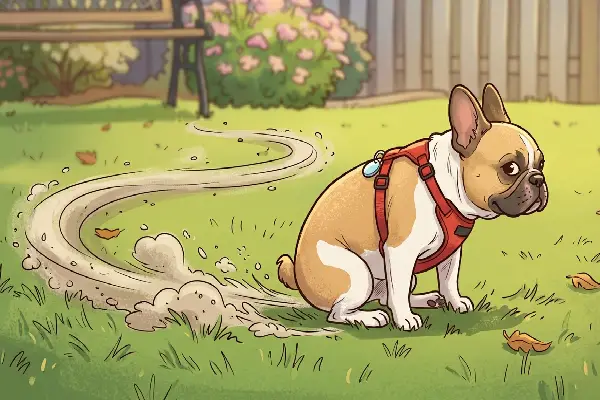
 

Signs Your Frenchie Needs Help

Watch for these common symptoms of full or impacted glands:
 
  • Butt Scooting: Dragging their rear across the floor to relieve pressure.
  • Foul Odor: A distinct, strong “fishy” smell coming from their rear.
  • Excessive Licking: Obsessively cleaning their anal area.
  • Physical Changes: Swelling, redness, or a hard “grape-like” lump around the 4 and 8 o’clock positions of the anus.
  • Straining: Difficulty or obvious discomfort while pooping. 

Management & Prevention

You can often manage these issues through diet and routine care: 
  • High-Fiber Diet: Adding fiber helps create firm stools that naturally squeeze the glands during defecation. Many owners use canned pumpkin (plain, not pie filling) or specialized fiber supplements.
  • Manual Expression: If they aren’t emptying on their own, a vet or professional groomer can “express” the glands manually. While some owners do this at home, experts often recommend internal rectal expression for Frenchies to ensure they are fully emptied.
  • Weight Management: Keeping your dog at a healthy weight reduces the pressure and inflammation in the area.
  • Tail Hygiene: For Frenchies with tight tail folds, keeping the tail pocket clean is crucial, as infection here can complicate gland issues.
 
French Bulldogs anal glands


When to See a Vet

If left untreated, impacted glands can lead to an abscess—a painful infection that may eventually rupture through the skin. See a vet immediately if you notice:
  • Blood or pus in the area.
  • Extreme pain or your dog acting highly agitated.
  • An open wound or “extra hole” near the anus.